

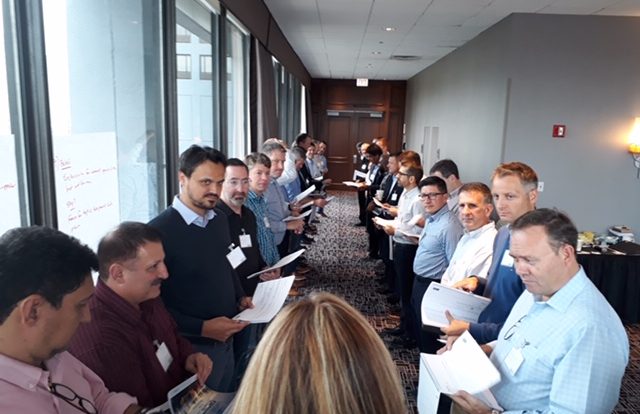
In 2018, a courageous Head of Inclusion and Diversity, along with her fully committed CEO, decided to Dare Greatly (a phrase coined by Teddy Roosevelt and used by Brené Brown in one of her brilliant books). They decided it was time to run a Men in Leadership workshop to, at last, include the men in the conversation about inclusion.
Helping women rise is where many organisations start on the journey of diversity and I had been talking to them about running their Women in Leadership programme. It was then that they shared that they were also creating a workshop for the men. Their decision inspired me, and I was curious to consider how we could tie the language, objectives and activities together so that these two big groups of their senior leaders – 240 CEO level men and 120 Director level women- would have a common vocabulary and some common experiences. My curiosity and big picture thinking unintentionally won me the gig: an hour after this conversation, they asked me to pitch for the workshop.
“Thank you for Including the men in the conversation at last!”
It is true to say that I had little empathy for men when I first started focusing on Women in Tech: they had had an advantage for a long time, and women and minorities were, and in some cases continue to be, at a disadvantage. However, because I coach CEOs and Senior Leaders, many of whom are men, I have explored their perspective and the reality of their experiences – how lonely it is, how little men speak to each other about the real stuff, and how emotional men get when somebody finally listens. In conversation about their teams and the diversity agenda, I also realised how much fear there was for the loss of their ‘norms’, such as how promotions happened, how the job opportunities happened, how their success happened, and how the new world of work needed to be. These men are good men, understanding the need for change but confused by how to navigate a previously unconscious set of behaviours.
“Enlightening stuff – men talking to men about Inclusion; we need more of it.”
Through the process of researching and building the content for the workshops, we shifted the focus towards helping the men understand the new definition of masculinity in the workplace. We empathised with the role men have largely played in society – the founders, the providers, the risk-takers. We introduced them to the opportunity to have rich, fulfilling discussions, about their beliefs and mindset, their upbringing and programmed thinking, and the unintentional impact of their behaviours. They were not expecting that….as one participant said: “Look, we are actually talking Nikki!”
Interestingly, as it was called Empowering Growth for Men, we excluded the women from this workshop. We did it intentionally because we felt it was important to give men a safe space to talk, at least initially. But in hindsight, we didn’t do a good job of messaging that. The women were extremely vocal about the exclusion, and many men came into their session saying they thought women should be included. For me, this was beautifully ironic. Imagine a workplace where women are so vocal about being excluded that they get heard, and where men demand that women are ‘in the room’ – yet they just had to look around their leadership teams and board meetings to see this was not a behaviour that was congruent with real life.
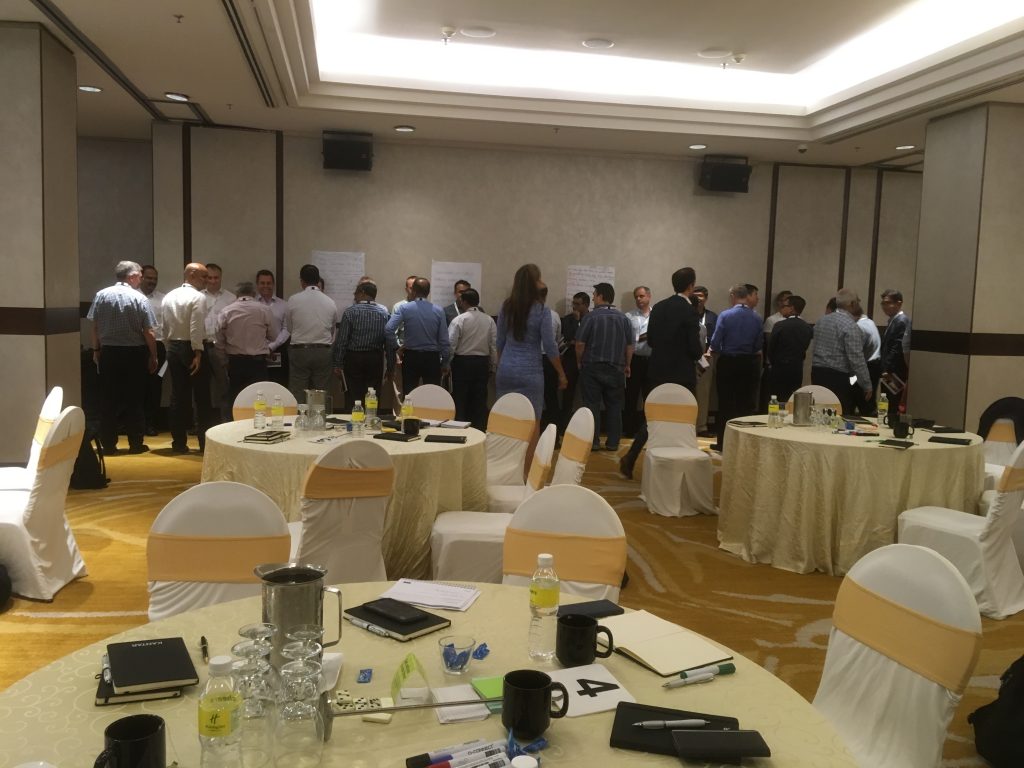
One of my lasting memories, and a true microcosm of diversity and inclusion, was from the workshop in Singapore where we had about 20 nationalities in the room. The quality of the conversation, the intentionality of their listening because of the different accents, and the cultural challenges that underpinned their beliefs and behaviours were profound. The questions that were raised were broad and interesting, inspiring them to think about how conscious they needed to be, and how what we think truly does create our actions.
As the saying goes:
Watch your thoughts, they become your words;
watch your words, they become your actions;
watch your actions, they become your habits;
watch your habits, they become your character;
watch your character, it becomes your destiny.
So, has it made an impact?
The differences in the company are evident from multiple sources:
- An internal workplace website is full of stories from the men and women about the large and small, yet profound, changes they are experiencing, at work and in life.
- The leaders are sending stories and examples to their CEO and their head of I&D about the impact the work continues to have in their teams and with their clients.
- The men are stepping away from the cultural stereotype of “being a man” and recognising gender isn’t quite so binary.
- Women and men are ‘calling out’ poor behaviours and language and acknowledging the positive ones, and leaders are accepting the feedback and committing to being conscious.
- Male employees all over the world ran events for International Women’s Day.
- There is a measurable increase in the pipeline of women on succession plans and also in the number of women being promoted.
- The I&D nudges are encouraging the men to keep focusing on the 3 commitments they made at the end of the workshops, and this ongoing reminder to stay conscious is also helping – the movement is very much happening.
One organisation with 240 CEOs responsible for most of the 30,000 employees. Purposeful Leadership always makes a difference. When Leaders have the language and intentionality of inclusion, the ripple is bound to be far and wide.